Key Takeaways:
- Homes in Singapore can support effective solar systems as long as the panel placement considers the direction of sunlight, shading, and the available roof structure.
- A household’s energy habits play a significant role in determining how large a system should be and how much it can offset electricity usage.
- Not every part of a roof is suitable for installation, and a proper site assessment helps identify the most productive areas.
- Stable sunlight throughout the year enables systems to perform consistently, even in the face of sudden rain or overcast conditions common in a tropical climate.
Introduction
Homeowners in landed properties often begin their solar journey with a simple glance upwards, trying to picture how many panels might sit comfortably on their roof. It seems like a straightforward calculation, although the reality is a bit more complex. The roof space required for solar panels is shaped by several factors, including how sunlight tracks across your home, the angles and segments of your roof, and your household’s daily energy usage. Add Singapore’s bright afternoons, sudden showers, and the occasional storm, and it becomes even more important to understand how a rooftop system is planned.
This guide provides a comprehensive look at what goes into installing solar panels for a landed property, offering a clearer understanding of how solar technology works and performs in a warm, tropical climate.
How Do Panel Size and Efficiency Influence Overall Space Needs?
Most homeowners are surprised to find out that residential solar panels take up only about 1.6 square metres each. It sounds modest at first, yet the total number you need can add up quickly once the system size is worked out. Higher-efficiency panels can ease this slightly, since they produce more energy within the same footprint. Each panel does a bit more work, so that you may need fewer of them overall. This becomes especially helpful for homes with uneven roof layouts or areas that receive partial shade.
During an on-site visit, a specialist looks beyond simple measurements. They study how the sun moves across your property, where shadows fall throughout the day, and how much clearance is needed for ventilation beneath each panel. All these details shape the roof space required for solar panels and help ensure the final layout performs well throughout the year.
How Does Your Household’s Energy Usage Shape System Size?
A home that runs air conditioning for most of the day will naturally need a different system size from one with lighter, occasional usage. Examining your monthly or yearly electricity consumption provides a clearer picture of how many panels are required. Put simply, higher energy use calls for a larger system. To visualise this, think of a household that runs several appliances during busy daytime hours. It will likely need a higher-capacity setup to make a noticeable dent in its bills and reduce long-term solar energy costs.
This is also where accurate solar system sizing comes into play, as every household has its own routine, appliances, and efficiency goals.
Why Are Some Roof Areas Not Ideal for Solar Installation?
Not every section of a roof offers a good spot for panels. Elements such as skylights, water tanks, and air-conditioning ledges can interrupt the layout and reduce usable surface area. Homes with multiple slopes or fragmented roof segments face similar limitations, since there may not be enough clear space for panels to align properly. A detailed assessment helps map out all these features, pinpointing where installation is both safe and productive.
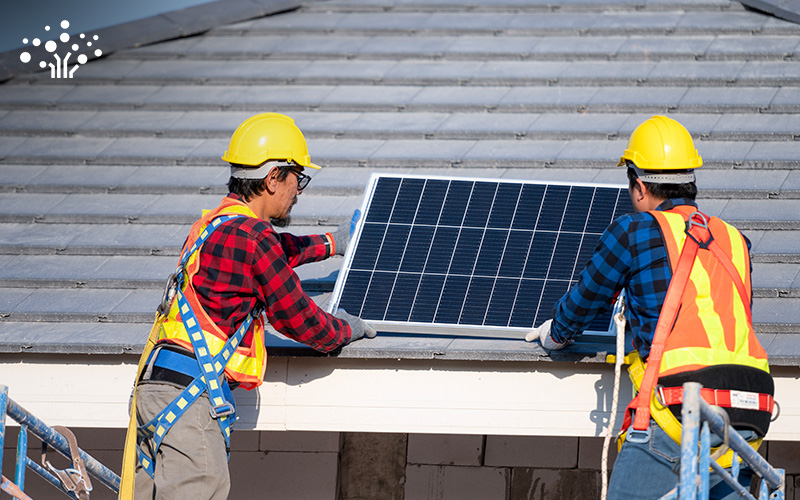
This step is vital for anyone considering residential solar panel installation, because even one shaded or poorly positioned panel can affect the system’s overall performance. The goal is not to cover every inch of the roof, but to place the system in areas that deliver consistent sunlight. These considerations ultimately shape the roof space needed for solar panels and ensure strong, reliable output across the day.
How Do Orientation and Tilt Affect Solar Output?
The direction and angle of your panels play a big role in how much sunlight they receive. In Singapore, panels positioned towards the south usually enjoy the most consistent light throughout the day. Installers may also adjust the tilt to suit your roof’s shape, helping the panels catch stronger morning or afternoon sun depending on your home’s orientation.
A smaller system placed in the best-performing spots can sometimes do better than a larger setup spread across less suitable areas. This is why strategic solar panel placement for maximum efficiency matters, as it helps each panel operate at its best even when clouds roll in or light levels dip.
How Do Singapore’s Climate and Sun Patterns Support Efficient Systems?
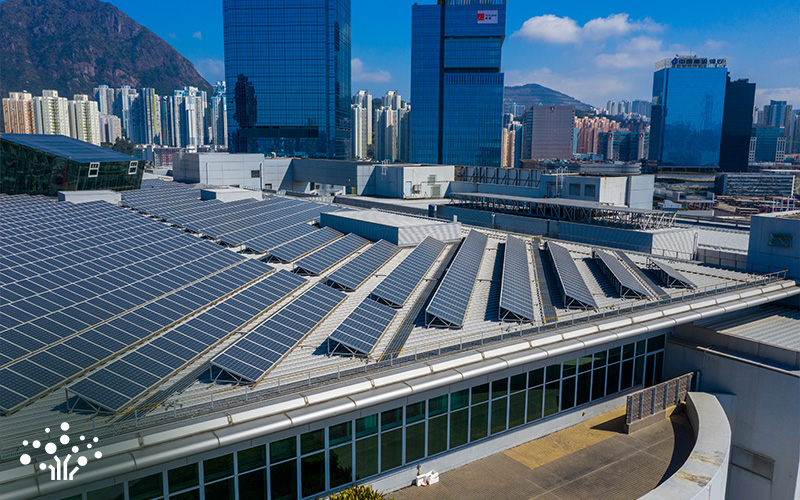
Living near the equator gives Singapore an unusual advantage: sunlight stays fairly consistent all year. Without major seasonal swings, it becomes easier to predict how well a system will perform across the months. Many landed homes can support a 4 to 6 kWp setup with roughly 20 to 30 square metres of usable roof area, depending on the roof space required for solar panels.
These steady conditions make household solar panels a practical long-term choice, even with the sudden downpours that come with tropical weather. Panels are designed with waterproof casings and sturdy frames, allowing them to operate safely through rain, wind, and the occasional storm.
For anyone exploring solar panels for the home, this reliability offers comfort on both the energy and maintenance fronts, making solar a stable investment in Singapore’s climate.
Conclusion
Planning a solar installation is about far more than counting tiles. It means looking at how sunlight moves across your property, how much energy your household uses, and how Singapore’s climate shapes long-term performance. With steady sunshine throughout the year, the environment works in your favour and supports a system that can stay reliable even during sudden rain or storms.
At PMCE, we can provide the expertise and guidance you need to make more informed choices about layout and sizing. When combined with thoughtful placement and a design that suits your home’s structure, a well-planned system can offer strong, dependable output for many years.
If you are exploring installation options or comparing system sizes, PMCE can help you find a setup that fits your property and energy goals. Contact us to get started.