Key Takeaways:
- Modern systems are designed to withstand Singapore’s frequent rain and humidity through the use of strong materials and sealed components.
- Energy production may dip during heavy downpours, yet overall performance remains stable across the month.
- Rainfall helps wash away dust and debris, giving panels a natural cleaning boost with minimal effort.
- Proper installation and surge protection ensure systems remain safe and reliable during thunderstorms and windy conditions.
Introduction
Singapore’s tropical weather can feel like a rollercoaster at times. One moment, the sky is clear, then a sudden burst of rain arrives, accompanied by gusty winds and the occasional rumble of thunder. It is no surprise that many homeowners find themselves wondering how their solar panels cope with these conditions. After all, rooftops take the brunt of every storm, so any long-term installation needs to withstand the elements.
Today’s systems are built with that reality in mind. Panels are designed with materials that resist moisture, heat, and intense sunlight, providing a solid foundation for year-round use in climates that experience rapid changes. Once you understand how panels behave during heavy rain, how they manage shifts in sunlight, and what simple maintenance keeps them efficient, it becomes much easier to picture a system that stays reliable season after season.
Are Solar Panels Designed to Handle Rain and Humidity in Singapore?
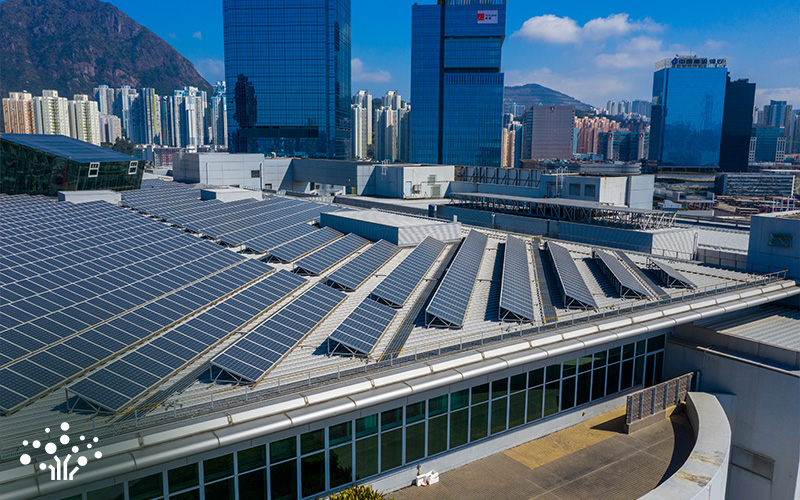
Panels used in Singapore today are built with durability in mind, especially for homes exposed to constant humidity. Corrosion-resistant frames, layered protective glass, and well-sealed junction boxes work together to keep moisture out, supporting the reliable durability of solar panels in tropical climates throughout the wet months.
All these elements combine to create weather-resistant solar panels that remain steady even as showers sweep across the roof. For many homeowners, these design features provide reassurance that their solar panel system is well-equipped to withstand challenging weather conditions.
Does Solar Output Drop During Heavy Rain?
It is normal for production to dip when thick low clouds limit the amount of light reaching the panels. The drop is usually brief and tends to balance out over the month because Singapore enjoys strong sunlight for most of the year. This pattern reflects typical solar performance during rain, where systems slow down slightly during heavy showers but recover once the sky brightens.
Across Singapore, more households are beginning to focus on long-term energy planning, with many viewing solar power as a reliable means of managing electricity use with greater predictability.
Does Rain Help Clean the Panels?
Rain does more than cool the air. It also gives panels a gentle rinse, washing away dust, pollen, and the occasional bird dropping. With a cleaner surface, more light can reach the cells, which helps the system remain efficient with minimal effort from the homeowner. This easy, automatic cycle reduces the need for frequent manual cleaning.
After a storm, rooftops often look noticeably fresher. Most loose debris has already been carried off by the rain, leaving the panels clearer and ready to absorb sunlight once they dry. This natural rinse plays a small but steady role in supporting reliable solar panel performance throughout the year and across different weather conditions.
How Does Proper Installation Protect Panels from Water and Wind Damage?
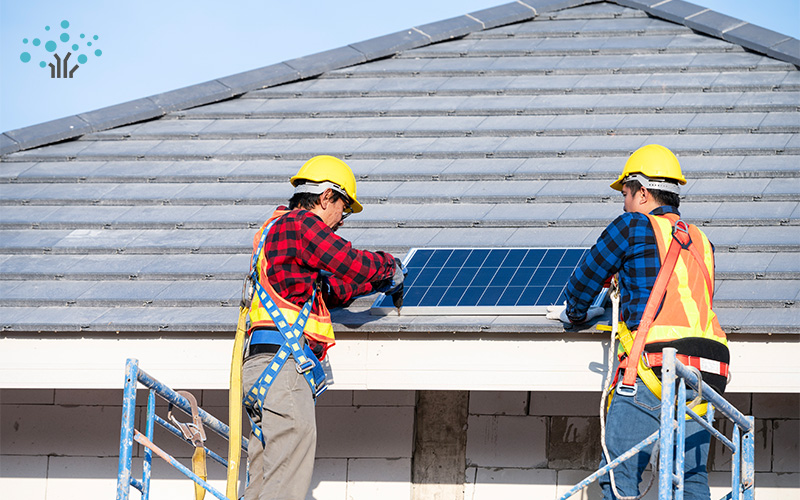
A well-installed system does more than hold panels in place. It is designed to protect the structure and electrical components from the elements. Panels are set at an angle that allows rainwater to flow away easily, while waterproof fasteners and sealed connectors keep moisture out of sensitive areas. These choices work together to create a stable, storm-resistant solar installation that performs well in Singapore’s wet climate.
Many companies exploring long-term energy planning also consider solar panels for their business, recognising that proper installation plays a crucial role in maintaining system reliability amid shifting weather patterns.
Are Solar Systems at Risk from Lightning and Power Surges?
Panels themselves do not draw lightning, but nearby strikes can create electrical surges that travel through a building’s system. To manage this, certified installers install surge protection devices and ensure proper grounding, redirecting excess energy safely away from sensitive components. With these safeguards in place, the solar panel system continues to run steadily, even when the weather changes, ensuring dependable performance.
For companies planning future upgrades, these protections make it easier to incorporate solar power installations into their long-term infrastructure without worrying about disruptions during storm season.
Conclusion
Singapore’s wet weather often raises concerns, yet well-built solar panel systems are designed to handle these conditions with ease. Durable materials support steady performance through shifting skies, while proper installation shields the system from moisture, wind, and unexpected electrical surges. Any brief dip in output during heavy rain tends to settle quickly, and the rain itself helps keep panels cleaner with very little effort.
If you are considering an upgrade or starting your renewable energy journey, PMCE can help you select a system that suits your property and long-term goals.
Get in touch to arrange a personalised assessment and see how solar can remain dependable in every season.