Key Takeaways:
- Shade and cloudy weather influence solar output, but modern systems are designed to keep generating power even when sunlight is diffused.
- Singapore’s consistent year-round daylight hours provide a stable foundation for long-term solar energy performance.
- Rain and humidity have a limited impact on system durability and can even help by naturally washing panels clean.
- Careful system design, proper placement, and smart configuration help homeowners and businesses achieve reliable energy production despite occasional overcast days.
Introduction
Singapore’s weather has a rhythm of its own. One moment the sun feels bright and strong, and the next a curtain of clouds rolls in, or a sudden shower cools the air. With this mix of grey skies, humidity, and passing rain, it is no surprise that many homeowners and businesses pause to wonder if solar panels can really hold their own here. Questions about solar panel efficiency often pop up when shadows fall across a roof or the light softens.
Even so, Singapore’s position near the equator tells a different story. The country receives steady sunlight year-round, providing solar systems with a reliable source of energy. This consistency helps modern panels perform well despite changing weather and shifting shade. In this guide, you will find a clear look at how light levels shape performance, how current technology adapts, and why solar remains a practical and appealing choice for anyone exploring cleaner energy.
Does Singapore Receive Enough Sunlight for Reliable Solar Energy?
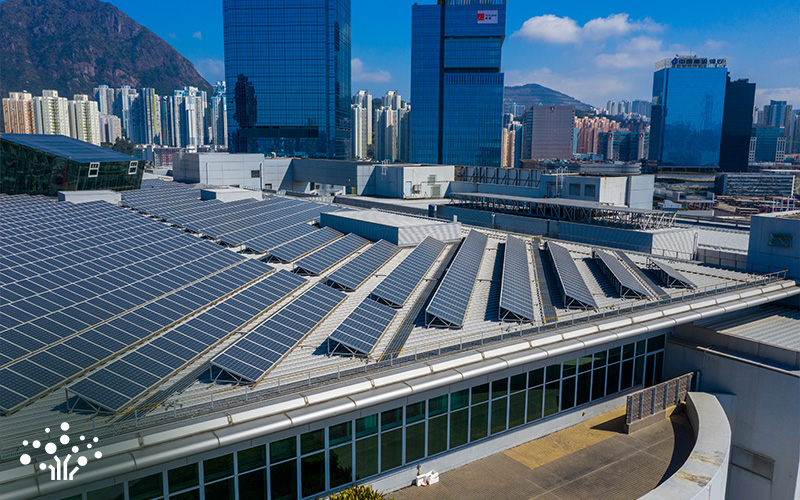
Singapore’s location near the equator offers something beneficial for solar users: sunlight that changes little from month to month. Daylight hours remain remarkably steady, providing both homes and commercial properties with a strong foundation for solar energy in tropical climates.
Imagine a typical rainy-season afternoon. Clouds roll in, the light turns softer, and the landscape feels a little quieter. Even with these moments, the country still receives a consistently high amount of annual sunlight. This stability helps homeowners, especially those installing solar panels on their landed property, understand the power they can expect from their system.
Businesses planning to install solar panels benefit in the same way, as predictable irradiation makes it easier to project long-term performance. With this reliable sunshine, solar panel efficiency remains strong throughout the year, even during the occasional cloudy spells.
How Do Solar Panels Perform Under Cloudy or Shaded Conditions?
Many people assume that once clouds appear, solar output drops sharply. In reality, modern panels are built to capture diffused light, which is the softer, scattered sunlight that filters through even when the sky looks grey.
Think of a hazy morning when the sun is hidden, yet the surroundings are still bright enough to move comfortably through your day. Solar panels react to this kind of light too. While heavy shading will still lower solar panel efficiency, energy production does not stop completely. This design ensures stable solar panel performance in cloudy weather, keeping systems productive during Singapore’s frequent overcast periods.
How Do Rain and Humidity Influence Long-Term Solar Output?
Rain often raises concerns for new solar users, but its impact is usually milder than expected. Heavy showers may reduce sunlight for a short while, yet they also rinse away dust, pollen, and other buildup that collect on panels over time. Cleaner surfaces absorb light more effectively, which helps keep performance steady in the long run.
Singapore’s humidity can feel intense, though solar modules are designed to withstand it. Strong sealing and weather-resistant materials protect the internal components, allowing panels to function reliably in daily heat, moisture, and sudden temperature changes.
How Do System Design and Panel Placement Improve Energy Capture?
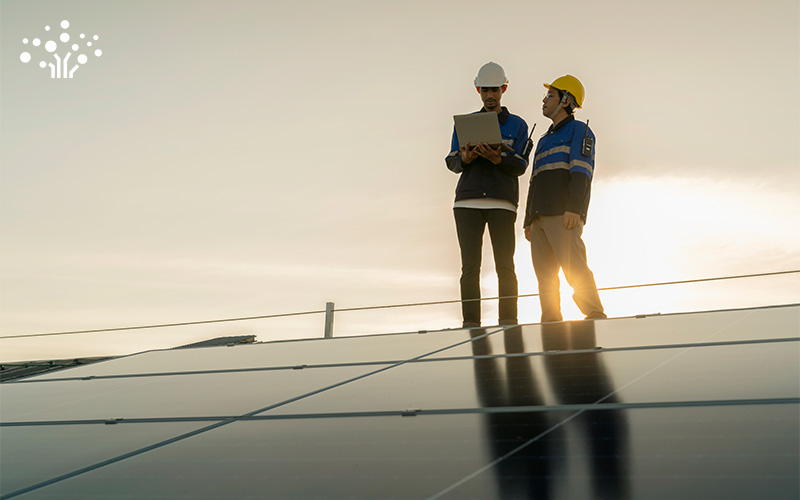
Where and how panels are positioned can make a significant difference to performance. Installers take time to study roof angles, the height of nearby structures, and how the sun moves across the property. During these assessments, they also look for shifting shadows from trees, extensions, or neighbouring homes that could affect output.
With the panels set at an angle and direction that suit the site, the system absorbs sunlight more effectively throughout the day. This thoughtful planning helps soften the impact of occasional cloudy periods and supports steady production, contributing to stronger solar panel efficiency across the year.
Are Solar Savings Still Worth It Despite Rainy Days?
Even with Singapore’s mix of sunshine and sudden showers, solar power remains financially attractive for many households and businesses. The country’s comparatively high electricity rates mean that generating your own energy can lead to meaningful long-term savings.
Families installing solar panels on their property often notice their monthly bills easing over time. Companies considering solar panels for their business also benefit from predictable generation that supports budgeting and sustainability planning. While there is an upfront cost, understanding solar panel costs in Singapore helps decision-makers clearly map their investment and assess future returns with confidence.
When you weigh steady sunlight, manageable weather variations, and rising energy demand, the case for adopting solar remains consistently strong.
Conclusion
Shade and cloudy skies do influence how solar systems perform, though often far less than many expect. With modern technology, thoughtful installation, and Singapore’s consistently reliable sunlight, panels continue to operate steadily throughout the year. Even on softer, overcast days, systems maintain dependable output, supporting strong long-term solar panel efficiency.
If you are exploring solar solutions or assessing your property’s potential, PMCE is ready to help. The team provides guidance shaped by real-world site conditions and local climate behaviour, giving you the clarity you need to plan confidently. Reach out today to discuss your goals and take the next step towards a clean, efficient energy future.