Key Takeaways:
- Peak shaving helps businesses limit short-term consumption spikes that trigger higher electricity charges.
- Solar generation during operating hours reduces grid dependence when demand is at its highest.
- Better load management supports more predictable cost planning and long-term stability.
- System sizing and roof suitability influence the extent of peak demand reduction and overall savings.
Introduction
Electricity costs for commercial buildings in Singapore are shaped not only by total consumption but also by peak demand charges. These charges apply to the highest 30-minute usage interval during a billing cycle and can inflate costs even when overall usage remains stable. A single equipment start-up, a batch production run, or a short surge in cooling demand can elevate a business’s monthly bills. It is this sensitivity to short-term spikes that makes peak shaving an essential strategy for many commercial property owners.
Solar integration has become a practical way to address these challenges. By generating on-site power precisely when most businesses are active, solar systems help limit the volume of electricity drawn from the grid during high-demand intervals. This approach supports peak demand charge reduction and lays the foundation for steady, long-term commercial solar energy savings.
Understanding Why Peak Demand Charges Matter
Commercial electricity tariffs are structured to encourage consistent and predictable usage. When a building’s load rises sharply, it places additional pressure on the grid, and this is reflected in the charges applied. Even short spikes can add substantial cost. The challenge is that many commercial activities are inherently variable. Production schedules shift, ACMV loads fluctuate with the weather, and equipment cycles may overlap unexpectedly.
Integrating solar into this environment helps create a buffer. Since panels generate power throughout the day, they narrow the gap between total load and grid draw. The result is a smoother load profile and more opportunities to shave peaks across the month. For buildings with varying load patterns, the ability to offset even a portion of daytime demand can reduce exposure to these high tariffs.
Solar Power During Periods of Highest Demand
Most commercial properties hit their daily peak between late morning and mid-afternoon. These are also the hours when sunlight is most consistent. With solar power during peak hours, buildings can substitute a portion of their grid demand with self-generated energy. This contribution helps flatten load spikes that occur when chillers ramp up, production lines start running, or multiple systems operate simultaneously.
Because solar output is immediate, it complements real-time consumption patterns. Even when solar does not cover the full load, the reduction in grid dependence during those critical intervals supports meaningful peak shaving. Over time, this leads to more controlled exposure to solar energy costs and greater stability in electricity budgeting.
How System Sizing and Roof Utilisation Affect Results
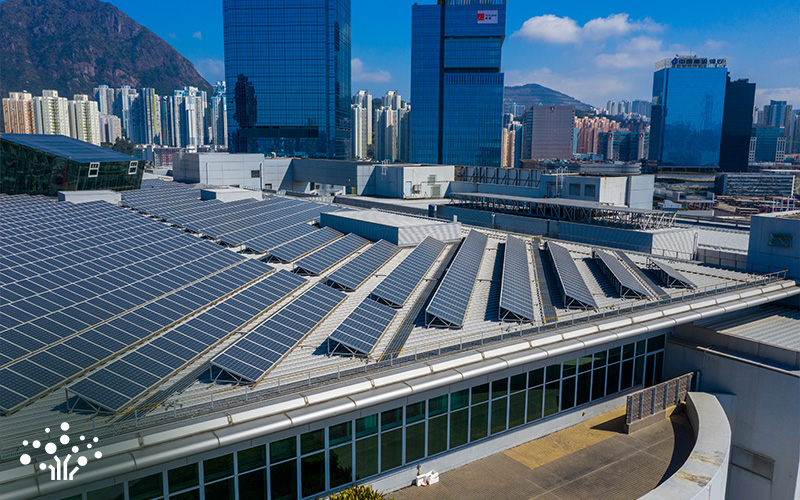
The extent to which a business can achieve peak shaving depends partly on physical conditions. Buildings with large, unobstructed roofs can install systems that supply a substantial share of their daytime consumption. In these scenarios, the impact on peak demand charges can be significant.
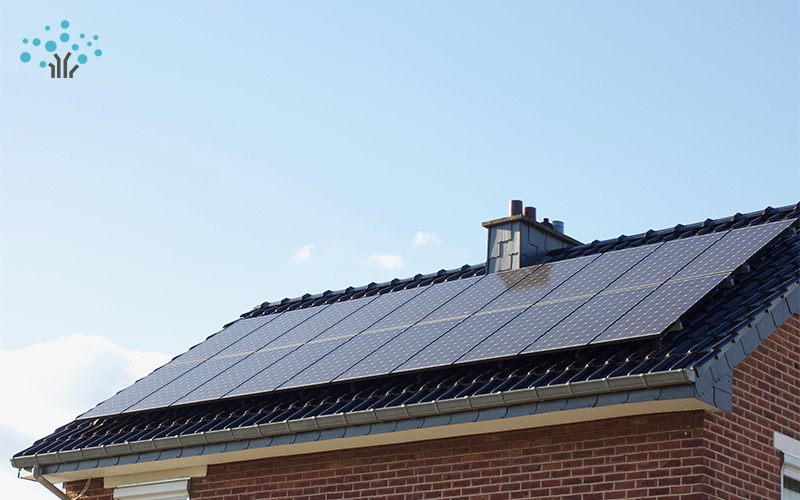
Yet, smaller roof areas still offer value. Even partial coverage can moderate consumption spikes, especially for businesses whose loads are concentrated in specific time blocks. Careful system sizing helps maximise this benefit. Oversized systems may generate excess power with limited added value, while undersized systems may not meaningfully influence the building’s highest demand periods.
A well-designed commercial solar installation focuses on aligning output with operational patterns. This matching allows businesses to approach solar panels with clarity and realistic expectations to reduce business electricity costs.
Long-Term Benefits for Financial and Operational Planning
Beyond monthly savings, the ability to flatten demand curves provides strategic advantages. More predictable bills support long-term budgeting, especially for businesses with energy-intensive activities. As operational planning evolves, on-site solar acts as a stabilising element in a company’s cost structure.
Many companies also see improvements in efficiency. When consumption patterns become clearer and less volatile, facility teams gain better insight into load behaviour. This visibility can help refine energy management practices across the organisation. For those assessing solar panels for business adoption, the combined effect of cost control, stability, and operational intelligence yields more durable, measurable commercial solar energy savings.

Conclusion
Solar generation offers commercial properties a practical way to strengthen energy resilience and moderate the financial impact of short-term demand peaks. By controlling consumption spikes, increasing daytime on-site generation, and improving planning accuracy, solar contributes to long-term stability while supporting broader sustainability and operational goals. The capacity for peak shaving is a key advantage, particularly for buildings with variable loads or high daytime activity.
PMCE helps businesses evaluate their real-world conditions and understand how solar can support peak management and ongoing cost reduction. The team provides assessments, system design, and long-term performance guidance tailored to commercial requirements.
If you would like to explore how solar can support your energy strategy, improve resilience, or strengthen cost-saving efforts, contact us to begin your assessment.