Key Takeaways:
- Solar systems remain functional well beyond their typical warranty period, although they operate at lower efficiency after two decades of use.
- Performance declines gradually over time, allowing homeowners and businesses to plan their energy needs with reasonable accuracy.
- Most installations in Singapore recover their upfront cost long before any significant drop in output becomes noticeable.
- Good system design and consistent upkeep help extend long-term performance, strengthening both energy stability and financial value.
Introduction
Many homeowners and businesses in Singapore start their solar journey with one big question in mind: how long will the system genuinely last? The appeal of producing your own clean energy is strong, but most people want to know if the investment continues to make sense in the long run. Panels may come with warranties of 20 to 25 years, yet their real usefulness often stretches well beyond those numbers. When you understand how the lifespan of a solar panel behaves over time, how efficiency shifts, and how well the system holds its value, the picture becomes much clearer.
Here, we will walk you through what typically happens once a system reaches the 20-year mark, how performance evolves, and why solar can continue delivering meaningful returns long after installation.
Do Solar Panels Still Work After 20 to 25 Years?
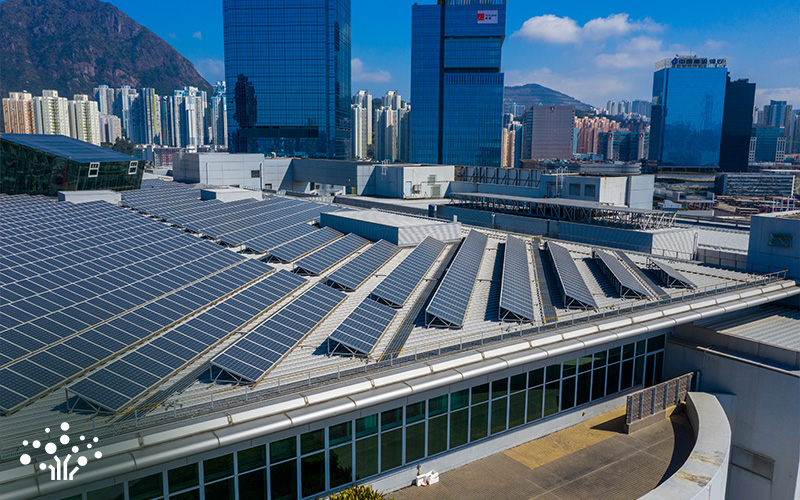
Most systems continue running well beyond their warranty period, even if the output is not as strong as it once was. After two decades, it is common for panels to operate at about 20 to 25 percent below their original performance. A landed homeowner might still see steady daytime production, just not at the same intensity they enjoyed when the system was new.
As energy needs grow and newer, more efficient modules enter the market, replacement may become a practical step. Even so, the fact that solar panels continue generating electricity after this point says a lot about how durable their lifespan can be.
Does System Efficiency Decline Gradually or Suddenly?
Efficiency drops slowly over time rather than falling off a cliff. Panels undergo natural ageing, and the solar panel degradation rate typically ranges from 0.5 to 0.8 percent annually.
This decline is hardly noticeable on a daily basis. You might only spot small changes when comparing older and newer utility bills. Thanks to Singapore’s steady sunlight, most systems continue performing reliably for many years. The predictability of this decline also makes it easier for households to plan their energy needs and understand how the system will behave in the long run.
Do Solar Systems Usually Pay for Themselves Before Efficiency Drops?
Most installations in Singapore reach their solar panel payback period within six to nine years. By the time owners notice any meaningful dip in performance, the system has usually covered its upfront costs through years of reduced electricity bills.
Every additional year of production after this point becomes part of the system’s long-term value. Those extra years lead to greater long-term solar savings and improve the overall solar panel return on investment. When viewed over the entire lifespan of a solar panel, this extended period of “free energy” can make a significant difference to households and businesses.
How Can Smart System Design Improve Long-Term Performance?
Strong long-term performance starts with thoughtful planning. The correct tilt, careful positioning, and proper shading checks all help panels receive steady sunlight throughout the day. Quality components also play a role. Everything from the inverter to the mounting structure contributes to how well the system ages over time.
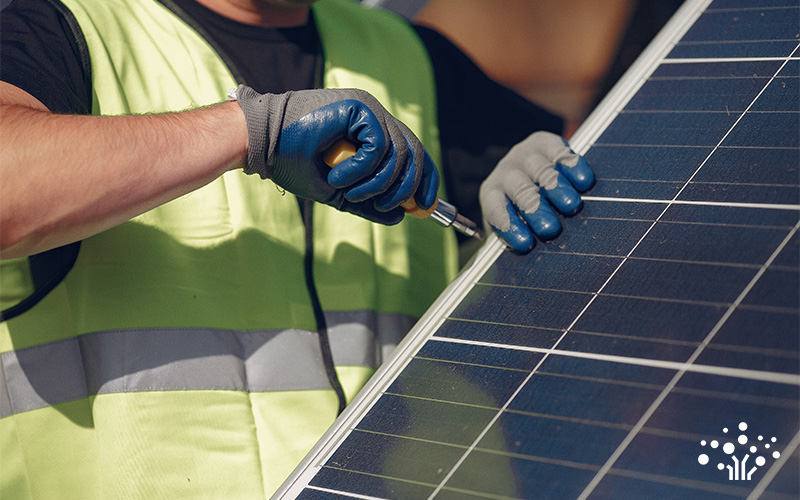
Simple habits, such as routine cleaning and occasional inspections, help preserve efficiency, particularly in Singapore’s warm, humid conditions. When a qualified team, like PMCE, handles your solar power installation, the setup is more likely to maintain reliable performance well past the 20-year mark.
Why Do Long-Lasting Systems Improve Financial Returns and Energy Independence?
When a system keeps running well beyond its warranty, owners gain more years of steady electricity costs. With no fuel required and minimal maintenance, both household solar panels and larger commercial solar installations help reduce reliance on fluctuating utility prices.
For landed homeowners, this can mean decades of dependable energy generation. For businesses, it often translates to better cost management and a stronger environmental profile. The longer the system lasts, the more value it delivers across the entire lifespan of a solar panel, deepening both financial returns and long-term energy stability.
Conclusion
Reaching the 20-year mark often brings better news than many expect. Panels usually keep working; their efficiency tapers slowly rather than suddenly, and most owners recover their investment well before any real wear becomes noticeable. With good design choices, reliable components, and regular maintenance, a solar panel’s lifespan can stretch far beyond its warranty period while still offering meaningful value.
If you are exploring solar options for your property and would like guidance grounded in real-world performance and local conditions, PMCE is here to support you. Get in touch with our team to arrange a personalised assessment and discover how solar can benefit your home or business in the long run.