Key Takeaways
- Rooftop installations allow businesses to generate clean energy without using additional land.
- Structural suitability, installation planning, and maintenance access determine long-term system performance.
- Mounted solar panels support energy savings and stronger sustainability outcomes for commercial properties.
Rooftop solar has become one of the most accessible ways for companies in Singapore to adopt renewable energy. By turning unused roof space into an energy-generating asset, commercial properties can reduce reliance on the grid, stabilise operating costs, and build resilience in a market where electricity prices fluctuate. Many businesses also appreciate that these systems integrate seamlessly with existing operations, allowing them to scale energy production without major site alterations.
As more businesses explore commercial solar adoption, understanding how mounted solar panels interact with roof structure, accessibility, and long-term maintenance becomes an important part of installation planning.
Rooftop Installations Make Efficient Use of Existing Space
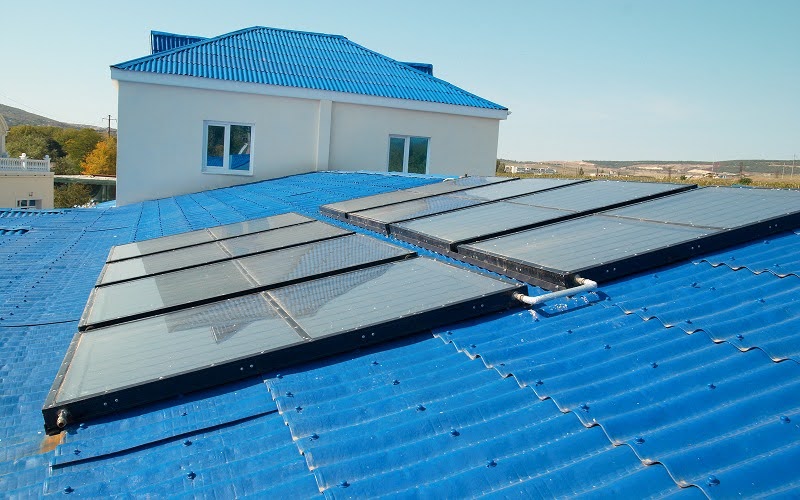
Commercial buildings often sit on valuable land where expansion is limited. Roof areas, however, are usually underutilised. Installing mounted solar panels turns this space into a productive surface that generates on-site power. Because the panels are located above daily operations, they do not interfere with tenants, logistics, or customer activity. The system remains unobtrusive while supplying a steady source of clean energy throughout the day. In terms of solar panels for businesses, rooftops are often preferred for this reason.
Structural Suitability Influences How Mounted Solar Panels Are Installed
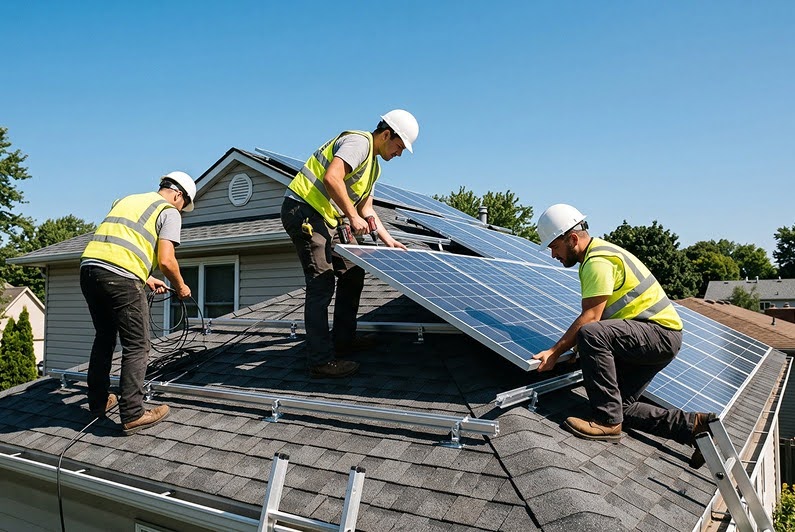
System planning begins with understanding whether a building can support a solar panel roof. Roofs differ widely in design, age, and structural integrity. A professional assessment is required to confirm load-bearing capacity, waterproofing conditions, and any reinforcement needs. Buildings with older roofing membranes or unconventional structures may require additional preparation.
Depending on the roof type, installers may use fixed racking systems, ballast-mounted structures, or tilt frames to secure the panels safely while optimising sun exposure.
Addressing these issues early helps ensure that mounted solar panels remain secure, efficient, and durable over the long term. Well-structured rooftop solar panel systems typically deliver stable performance, even on large commercial sites.
Installation Costs Are Lower When Leveraging Existing Infrastructure
Rooftop deployments are usually more cost-effective because they make use of the building’s existing footprint. No land acquisition, external frames, or major structural extensions are required, which helps reduce project complexity. The ability to connect to the existing electrical infrastructure often reduces labour and equipment costs as well. Many businesses evaluating the cost of solar panels in Singapore find that rooftops offer one of the most economical pathways to implementation. When combined with predictable performance over many years, mounted solar panels often achieve a favourable payback period.
Accessibility and Maintenance Planning Are Important
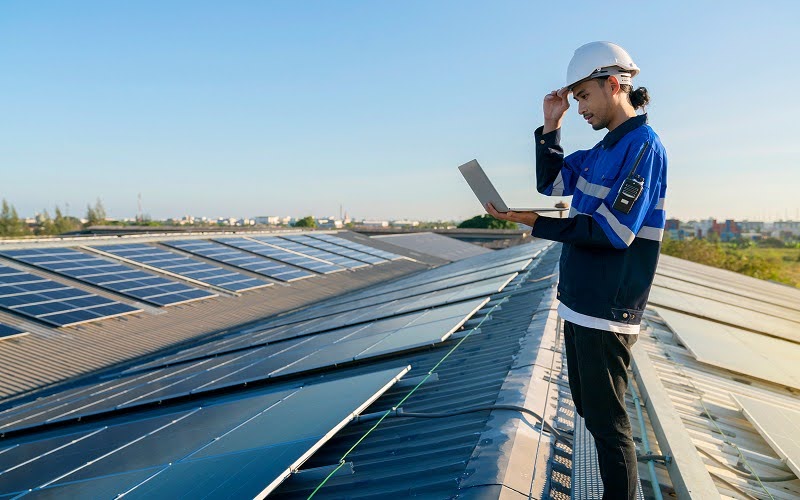
Although solar systems require relatively little intervention, periodic inspections and cleaning help maintain output. This is especially relevant in Singapore, where dust, rain, and surrounding construction can affect panel surfaces. Easy access to the roof ensures that maintenance teams can work safely and efficiently. Clear walkways, designated access points, and safety barriers support ongoing upkeep without disrupting business activity. Businesses that plan for accessibility from the start typically experience more consistent system performance from their solar panels.
Rooftop Solar Aligns Well with Long-Term Sustainability Planning
Energy resilience and sustainability are becoming central considerations in commercial planning. Companies looking to strengthen their corporate responsibility commitments often find rooftop solar a practical tool for enhancing ESG performance. By producing a portion of their energy on-site, they reduce emissions, demonstrate accountable resource management, and support cleaner business operations. A strategically designed solar panel roof also offers scalability, allowing organisations to expand their systems in stages as demand grows. Over time, mounted solar panels can become an important pillar of long-term sustainability planning.
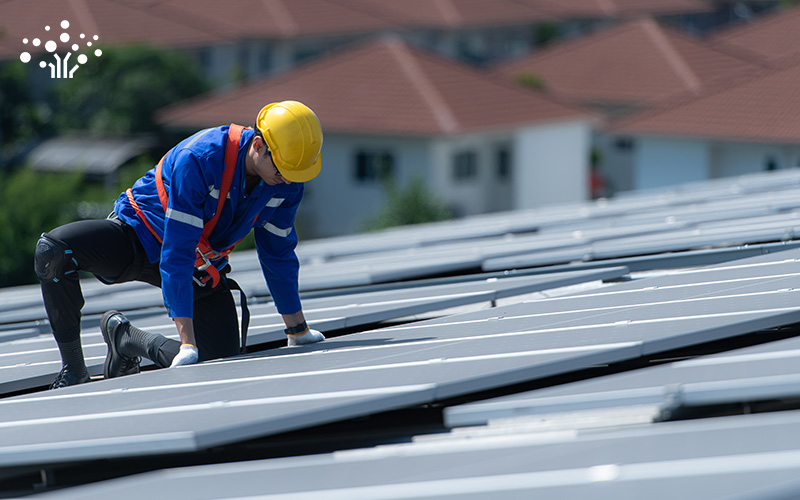
Rooftop solar offers businesses a practical way to reduce grid dependence, control energy spending, and future-proof their operations. With proper assessment, thoughtful design, and ongoing maintenance planning, commercial rooftops can support efficient systems that perform reliably for many years.
Perry Management Clean Energy helps businesses evaluate site suitability, understand real-world performance expectations, and plan systems tailored to commercial needs. Our role is to provide clear guidance that supports confident decision-making and long-term value.
Contact us to explore how rooftop solar can support your business and contribute to stronger sustainability outcomes.