Part 1: Introduction
Singapore’s energy landscape is changing. Rising electricity prices, increased awareness of sustainability, and rapid improvements in renewable technologies have positioned solar energy as a viable, long-term solution for homeowners seeking stability and control over their power consumption. As part of this growing solar energy landscape, many Singaporeans are exploring how solar technology can help reduce monthly expenses, strengthen household resilience, and align with the nation’s broader green ambitions.
A solar power installation is no longer viewed solely as an environmental statement. It represents a strategic investment in long-term efficiency, offering the potential to reduce grid reliance, enhance property value, and promote self-sufficiency. In a city where land is scarce and energy use is high, understanding how solar systems fit into both landed homes and smaller properties is key to maximising value.
Singapore’s solar energy landscape benefits from abundant sunlight throughout the year, yet it also faces unique challenges such as heat, humidity, and intermittent cloud cover. For homeowners, this means choosing systems that are designed for both high performance and durability. The result is a setup that not only contributes to sustainability but also supports long-term cost savings and household energy planning.
This article explores how solar energy continues to evolve in Singapore—how to assess the ROI of home solar installations, what to expect in terms of solar performance and reliability, and how to prepare for upcoming trends in solar and home energy planning that will define the next decade.
Key Takeaways
- Solar energy in Singapore is both a sustainable and financially beneficial investment, providing consistent long-term savings and improved household efficiency.
- The country’s climate requires systems that are built for reliability and optimised for tropical conditions to maintain stable energy output.
- Future solar developments will focus on smarter technology integration, flexible energy planning, and enhanced homeowner accessibility.
Part 2: Maximising Long-Term Gains with Solar in Singapore
2.1 Long-Term Value and ROI of Home Solar Installations in 2025
The growing solar energy landscape in Singapore is no longer limited to eco-conscious homeowners. It has become an attractive financial decision grounded in measurable returns. The ROI of home solar installations can be substantial when systems are well-designed and tailored to a household’s energy profile.
Reducing Monthly Bills:
By generating electricity during daylight hours—when energy consumption is typically highest—solar systems can significantly lower dependency on grid supply. For families using appliances like air-conditioning and electric water heaters, the difference in monthly bills can be remarkable over time. In Singapore’s tropical climate, where cooling costs form a large portion of household expenditure, the savings add up quickly.
Achieving Payback Within a Decade:
The payback period for a typical solar power installation ranges between six and nine years, depending on factors such as system size, energy usage, and roof orientation. After that, homeowners enjoy free electricity generation for the remainder of the system’s 25-year lifespan. This means predictable cost savings, with the system continuing to deliver value long after the initial investment has been recouped.
Increasing Property Value:
The solar energy landscape is reshaping property trends across Singapore. Homes equipped with solar technology appeal to buyers who prioritise energy efficiency and sustainable living. A well-installed system can boost market value by lowering operational costs and presenting an environmentally responsible image, which is an increasingly important factor in today’s housing market.
Long-Term Budget Stability:
Solar power also provides insulation from future electricity price hikes. With energy tariffs expected to fluctuate, generating one’s own power brings peace of mind and predictable household planning. For many, this stability is as valuable as the immediate savings.
Energy Independence for Landed Homes:
Owners of landed properties are especially well-positioned to benefit. Installing a solar panel for landed properties allows homeowners to optimise roof space, reduce reliance on grid energy, and even explore energy storage options as they become more affordable. It also enhances the property’s resilience during peak demand periods or disruptions.
Ultimately, the financial and environmental rewards of solar energy in Singapore make it an intelligent investment. As more households contribute to the nation’s renewable targets, the collective impact strengthens the local solar energy landscape, transforming how energy is produced and consumed.
2.2 Solar Performance and Reliability in Singapore’s Humid Climate
Performance and reliability are central to long-term satisfaction. Within Singapore’s humid environment, the solar energy landscape demands systems that are engineered for endurance and stable output.
Durability in Tropical Conditions:
Frequent rainfall, intense sunlight, and high humidity can accelerate wear in poorly designed systems. Premium solar modules and robust mounting structures help counteract these effects. A quality solar power installation incorporates weatherproof components, anti-corrosion coatings, and proper drainage planning to ensure continued operation across decades.
Stable Output Throughout the Year:
High temperatures can affect the efficiency of photovoltaic cells. To mitigate this, installations are angled and ventilated to reduce heat buildup. This ensures consistent solar performance and reliability even during hot months. For Singapore, this balance between heat tolerance and energy yield is critical.
Wind and Rain Protection:
With tropical storms common, systems must be securely mounted to withstand strong winds. Proper sealing prevents water ingress, preserving both the panels and the underlying roof. A reliable installation partner ensures that every element—from fasteners to wiring—is tested for resilience.
Maintenance and Monitoring:
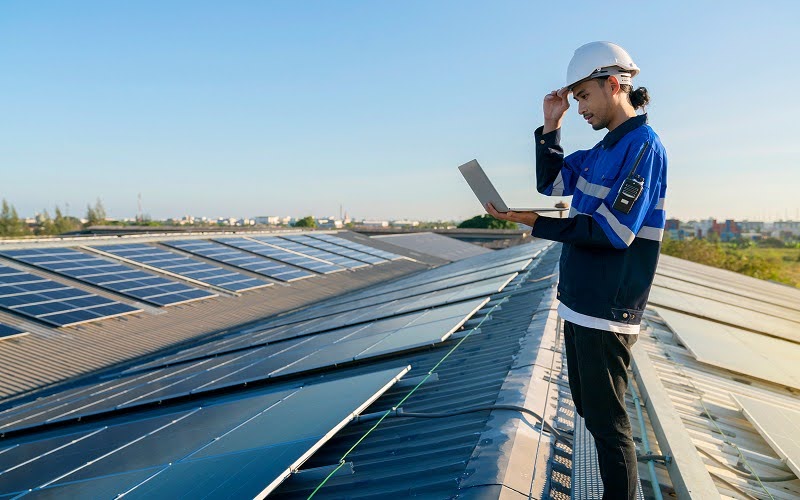
Modern systems come with user-friendly dashboards and mobile applications that provide real-time updates. These monitoring tools enable homeowners to detect shading, dust accumulation, or underperformance early. Routine maintenance, such as panel cleaning and inspection, helps retain optimal performance without significant effort.
Certified for Local Conditions:
Singapore’s solar energy landscape benefits from research and certification by local institutions. Systems tested under tropical conditions ensure suitability for humidity, temperature shifts, and coastal exposure. Choosing certified panels and inverters reduces long-term risk and guarantees consistent returns.
Reliability in this climate is not just about avoiding faults; it is about safeguarding the ROI of home solar installations through consistent output and system longevity. By investing in quality, homeowners ensure that their systems remain dependable assets in Singapore’s challenging weather environment.
2.3 Debunking Common Myths About Solar Panels in Singapore
Despite growing acceptance, misconceptions continue to circulate across the solar energy landscape. Dispelling these myths helps homeowners make informed decisions about adopting solar energy.
Myth 1: My Roof Is Too Small for Solar to Make a Difference
Compact urban rooftops can still accommodate efficient systems. Advances in panel design mean even smaller installations contribute meaningful savings by offsetting daytime energy use.
Myth 2: Solar Panels Are Too Heavy for My Roof
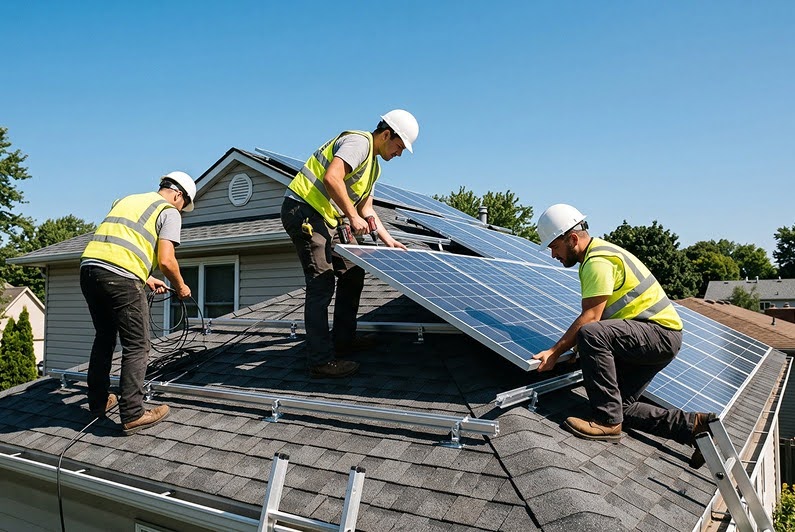
Before any solar power installation, reputable providers will perform structural assessments. Most landed homes and low-rise properties easily support standard systems without modification.
Myth 3: You Need to Cover the Entire Roof
A customised design focused on daily energy patterns can deliver strong financial results even when limited space is available. Solar efficiency today depends more on smart design than size alone.
Myth 4: Solar Requires Constant Maintenance
In reality, systems are low-maintenance. Occasional cleaning and minor checks keep panels operating effectively. Monitoring software handles the rest, alerting users only when necessary.
Myth 5: Solar Is Only for the Environmentally Conscious
While sustainability is a clear benefit, many homeowners choose solar primarily for its financial logic—the ROI of home solar installations often rivals traditional investment instruments over the system’s lifespan.
By addressing these misconceptions, homeowners gain a clearer picture of the solar energy landscape, one that balances sustainability, savings, and practicality within Singapore’s built environment.
Part 3: Innovation and What’s Next in the Solar Energy Landscape
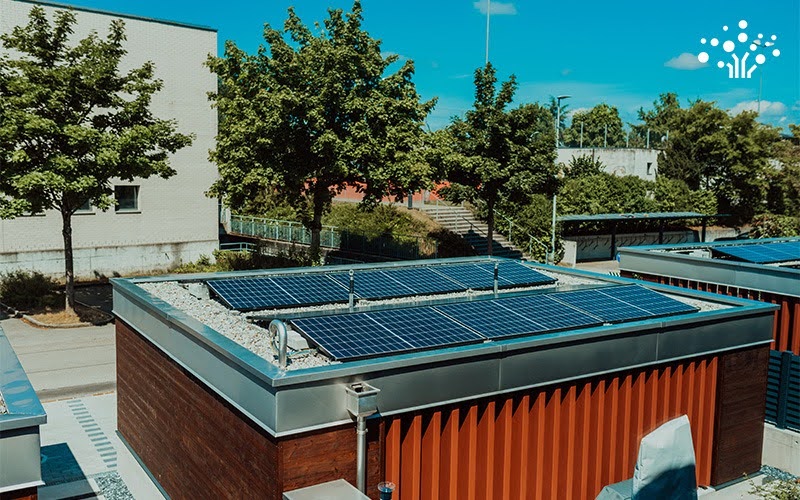
3.1 Evolving Trends in Solar and Home Energy Planning
As technology matures, the solar energy landscape in Singapore is entering a new phase focused on smart integration, flexibility, and personalisation. These trends in solar and home energy planning shape how homeowners interact with and manage their energy consumption.
Smarter Monitoring Tools:
The ability to track generation and consumption in real time empowers homeowners to optimise energy use. Analytics platforms identify peak usage times, helping households adjust habits and maximise self-consumption.
Solar Plus Storage:
Battery storage is becoming more accessible. Pairing solar with storage allows families to use generated electricity after sunset, ensuring round-the-clock energy autonomy. This evolution strengthens both resilience and the long-term ROI of home solar installations.
Scalable Systems for Growing Needs:
Families adding electric vehicles, expanding households, or integrating new appliances benefit from modular system designs. A scalable installation provides flexibility without full replacement, aligning with Singapore’s forward-looking solar energy landscape.
Sustainability as Lifestyle:
Solar energy is increasingly part of holistic home efficiency strategies, complemented by smart appliances, insulation, and sustainable materials. Together, these elevate comfort and reduce carbon impact.
Financial Accessibility:
Flexible financing options, rebates, and green loans offered by local financial institutions are lowering entry barriers. This increased affordability accelerates adoption across the residential market, expanding the overall solar energy landscape in Singapore.
3.2 Future-Proofing Your Home Solar Investment
Future-proofing means building adaptability and resilience into your system. The solar energy landscape is dynamic, and ensuring your installation remains relevant requires foresight and careful planning.
System Scalability:
Opting for modular components enables homeowners to increase capacity in response to new technologies or energy needs. Whether accommodating a growing family or supporting electric vehicles, this flexibility ensures the system remains efficient and valuable.
Compatibility with Storage Solutions:
While not every home begins with a battery, systems compatible with storage can later integrate seamlessly. This feature supports independence from the grid and enhances the ROI of home solar installations.
Smart Technology Integration:
Systems that sync with home energy management tools or smart devices allow for precision control. They help homeowners adjust energy use patterns, schedule appliance operation, and even sell surplus energy back to the grid when feasible.
Resilience Against Climate Factors:
Durability remains a cornerstone of Singapore’s solar energy landscape. Equipment must be rated for tropical exposure, while installation standards should account for heat expansion, rainfall, and corrosion resistance.
Warranties and Support:
Reliable warranties covering both performance and workmanship give homeowners peace of mind. A reputable solar company in Singapore should provide responsive maintenance and post-installation care.
Alignment with Smart Homes:
As more properties embrace automation, solar systems that connect with digital management frameworks enhance both convenience and efficiency. The shift towards smart energy management ensures homeowners stay aligned with future innovations.
Future-proofing is not about spending more; it is about strategic preparation within a constantly evolving solar energy landscape. The right design decisions today create systems that adapt and perform well into the future.
3.3 Questions You Might Have
1. How do I know if my home is suitable for solar?
Every property is unique. Roof orientation, shading, and daily usage patterns influence performance. A solar company in Singapore can perform site assessments to determine feasibility and potential savings.
2. Will solar still be relevant if technology evolves?
Yes. Improvements are typically incremental, focusing on higher efficiency or design refinement. A properly installed system can continue contributing value for more than two decades.
3. Is maintenance difficult?
Most residential systems are designed for simplicity. Occasional cleaning and software monitoring ensure consistent solar performance and reliability. Many service providers offer maintenance packages for added convenience.
4. What if my household energy needs increase later?
Modern installations allow for easy capacity expansion. As the solar energy landscape advances, add-ons such as storage batteries or additional panels can be integrated smoothly.
5. What support can I expect after installation?
Reputable partners can provide ongoing aftercare, performance monitoring, and technical assistance to keep systems operating efficiently and well-integrated into the solar energy landscape for the long term.
Singapore’s solar energy landscape represents a growing opportunity for homeowners seeking to balance sustainability, comfort, and financial value. The benefits extend well beyond reduced utility bills; solar empowers households with independence, stability, and a clear contribution to national sustainability goals. From landed properties to compact residences embracing modular installations, solar energy has become a practical step toward a resilient and efficient home.
Planning for the future means choosing systems that are durable, adaptive, and supported by dependable partners. When properly designed and maintained, solar power offers consistent performance and a strong return, even amid Singapore’s challenging tropical conditions. The evolution of technology, smart management tools, and the maturing solar energy landscape continue to enhance reliability and accessibility for every homeowner.
If you are considering exploring how solar energy can benefit your home, PMCE is here to help. As a trusted solar company in Singapore, PMCE provides comprehensive support from consultation and design to installation and long-term maintenance. Our experts ensure that every solar power installation is tailored to your property’s needs and built for enduring performance within Singapore’s vibrant solar energy landscape.
For more information about our services and how we can help you begin your journey towards smarter, more sustainable living, please contact us today.